Intro
Technology and social media are major aspects of millennial life today. The term millennial refers to “the demographic cohort that would come of age in the year 2000, academics, consultants and institutions of all kids have carried out studied that they try to understand this cultural group” (Henry Jenkins). Overall, millennials are born between the early 1980 and 2000 and are children of baby boomers. They are known as being technologically savvy and digital natives. They are accustomed to the technological lifestyle because it is all they know. Although, there are negative connotations about millennials and their obsession with technology and social media. Members from other generations tend to generalize millennials and frown upon their social media use. Social medias impact is commonly discussed and studied to see its impact on millennials.
Social Medias Impact on Millennials
Social media has truly impacted millennials and their way of life. Statistics show that millennials are dependent on their phones and are the highest consumers of social media. “Social media apps like Facebook, twitter or snapchat, were originally used as a way to connect to one another and are now used as sites to broadcast our own lives, essentially making microblogs of our lives by documenting everything we say or do.” (Odyssey) Social media sites impact how millennials feel about themselves. A study from the Odyssey shows that primarily girls are affected from social media and it can be harmful to their mental health. Overall, social media can cause users to judge themselves and compare themselves to others. On the other hand, social media can positively impact millennials when looking for jobs and internships. Networking has completely changed with advanced technology. In order to communicate and build a relationship with a company, millennials have the option to use a variety of sites including LinkedIn, Facebook, Google, Twitter, email, etc. Being able to initially build online relationships and gather information about the company helps to improve future face-to-face encounter. For my upcoming internship this summer, I took advantage of several sites to finesse this internship position. I began by following the company on LinkedIn, then emailing the HR coordinator and showing my interest, then uploading my resume to their website, and finally having a facetime conversation with the manager. Without these variety of social media platforms, I may not have successfully received this internship offer. Social media advancements have increased the quality and value of networking, but cause self-esteem issues with millennials across the globe.
Stereotypes
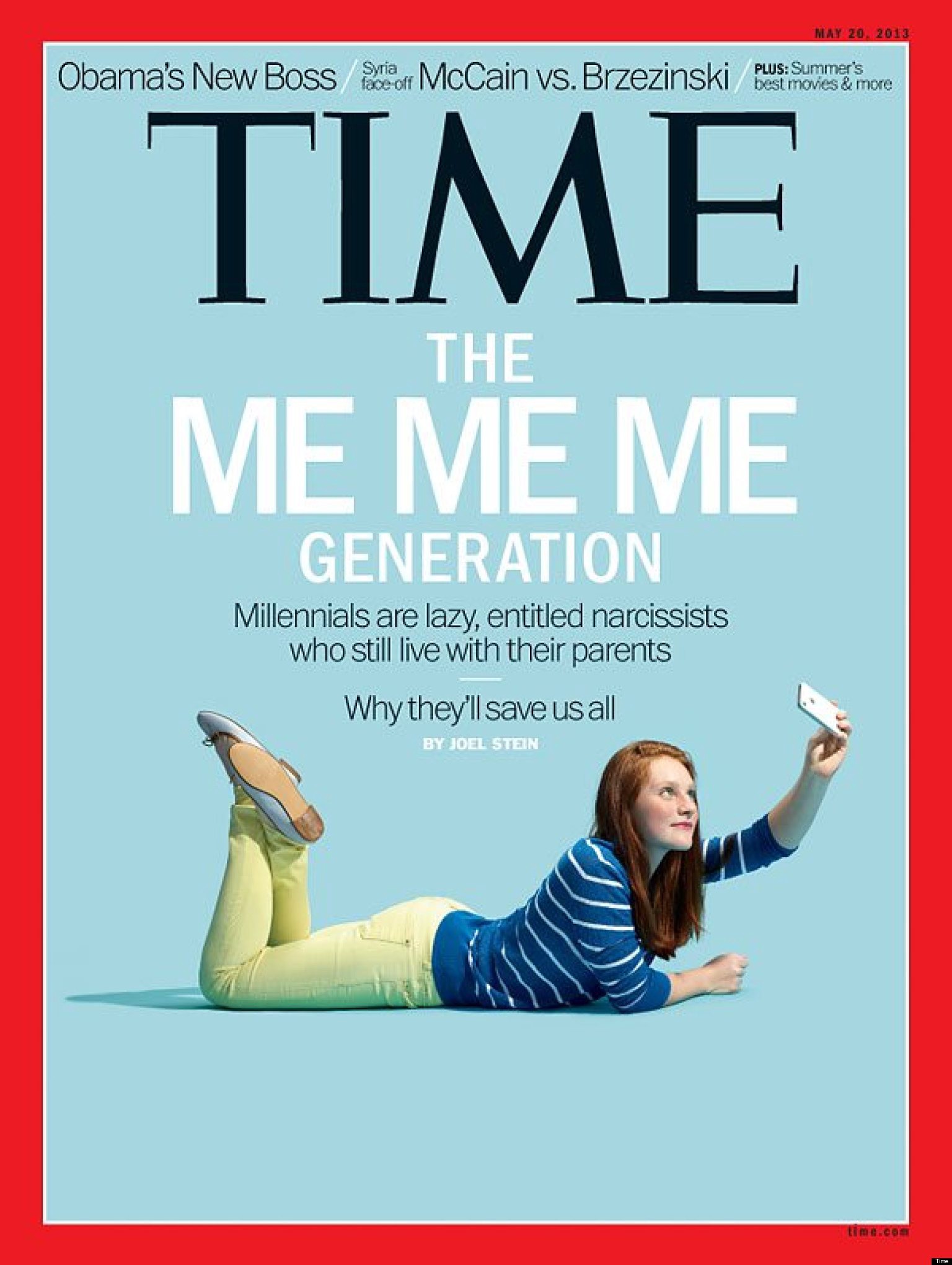
There are many negative stereotypes about millennials and their overconsumption and obsession with social media. Some people believe that millennials are not community oriented, but are self-centered. Henry Jenkins has several concerns about this stereotype of millennials. First, he claims that it is impossible to generalize every millennial due to uneven access to the internet. In addition, he claims that adults learn from the youth about technology. Therefore, it is hard for them to make these observations due to not being technologically savvy and being born in a different generation. Overall, “It is too soon to make a lifelong generalization about who millennials are, what they value, what their personality type is, etc.” (Henry Jenkins) In addition, another common stereotype of millennials according to Dr. Roberts is that they are entitled, self-absorbed, and lazy. Dr. Roberts research concludes that it is impossible to compare youth today to the youth of baby boomers. The world has completely changed and so has the lifestyle and values. Therefore, these negative stereotypes about millennials today is a misconception and can’t be necessarily truthful.
The Participatory Culture
Henry Jenkins has studied the concept of participatory culture and has very valuable breakthroughs. He claims that students tend to learn more outside the classroom and use social media as a way to share what they do. Participatory culture uses social media as an outlet where everyone is invited to contribute. Everything and everyone becomes part of a participatory culture. “We’re seeing again and again these interest-driven networks are preparing the way for them to think of themselves as citizens in a new way, to mobilize the skills they developed as contributing to online communities and participatory culture and direct them toward changing society, changing the world.” (Henry Jenkins) Overall, these social media networks are platforms for people to engage and be part of a group. Jenkins believes that it is important for students to engage in these networks and for teachers to understand this concept of participatory culture and use technology within the classroom.
Conclusion
The internet is a part of our lives every day and effect the way we live. Millennials are primarily affected from social media and are the top user. The question of ‘does the internet hurt us or help us’ is highly debated. Millennials and baby boomers have different views and perspectives on this question. Personally, I can see both sides to this debate but believe technology and social media has changed the world for the better and helped create new innovations. As a millennial, I can’t imagine a life without technology / social media and truly depend on it. Social media has helped shape who I am as a person and has opened up a variety of opportunities for me.
Citations
Jenkins, Henry. “Millennials, New Media and Social Change.” Confessions of an ACA-Fan, January 18, 2018. http://henryjenkins.org/blog/2017/12/19/millenials-new-media-and-social-change-part-one.
“The Impact of Social Media on Millennials.” Odyssey. https://www.theodysseyonline.com/millennial-and-social-media.
“Networking for Millenials.” Huffington Post. Jenkins, Henry. “Millennials, New Media and Social Change.” Confessions of an ACA-Fan, January 18, 2018. http://henryjenkins.org/blog/2017/12/19/millenials-new-media-and-social-change-part-one.
“Millennials versus Baby Boomers, Are the Stereotypes Hiding Something More Sinister?” ABC. https://www.abc.net.au/news/2018-12-10/millenials-v-baby-boomers-whats-the-point-of-stereotypes/10593500.
“Henry Jenkins on Participatory Culture and Media Education.” Edutopia. https://www.edutopia.org/video/henry-jenkins-participatory-culture-and-media-education-big-thinkers-series.

 Marli's Blog